
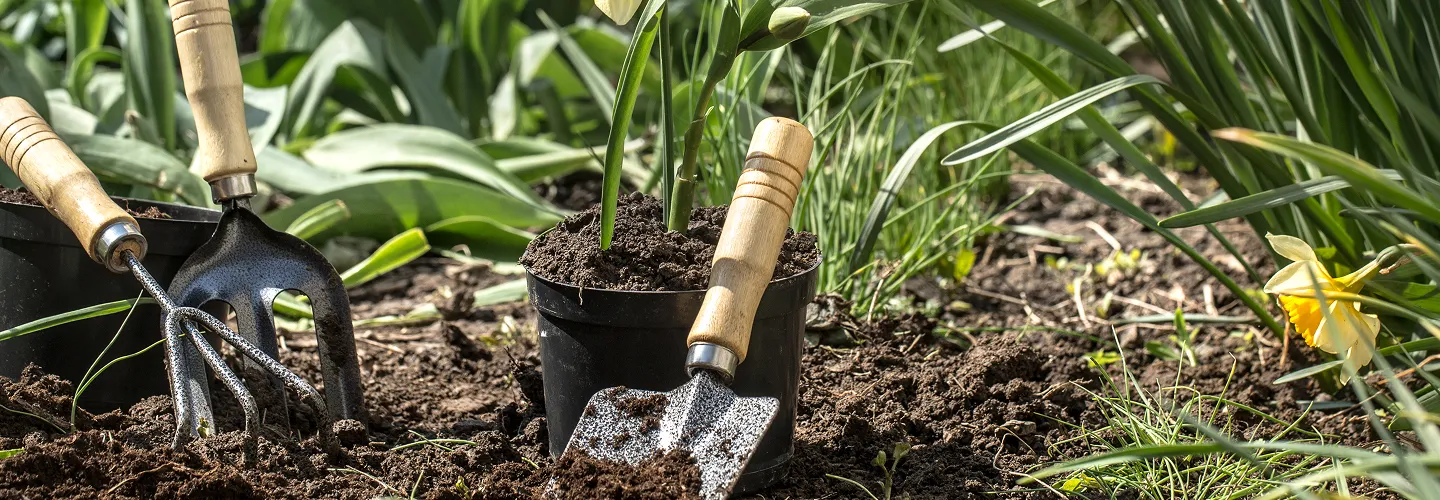
Alvin Lawn Renovation Services
Choose our Lawn Renovation services for expert care, premium materials, and a commitment to transforming tired, patchy grass into a lush, healthy lawn you’ll love year-round.
Get a Free QuoteOur Alvin Landscaping & Yard Care Services
When to Schedule Lawn Renovation in Alvin, Texas – Seasonal Guide
In Alvin, Texas, timing your lawn renovation is crucial for achieving a lush, healthy yard that thrives year-round. The best periods for renovation typically fall between late spring and early fall, when soil temperatures are warm and the risk of frost has passed. Alvin’s humid subtropical climate, with its hot summers and mild winters, means that cool-season renovations are less effective than those scheduled during the active growing season for warm-season grasses. Neighborhoods near Morgan Park or along Mustang Bayou may experience unique microclimates, so it’s important to consider your specific location.
Local environmental factors such as late spring frost dates, periods of drought, and the region’s clay-heavy soils all play a role in determining the optimal renovation window. Areas with dense shade from mature oaks or pecans, like those found in the Forest Heights subdivision, may require special attention to grass selection and timing. For more information on local regulations and best practices, consult the official municipal resources.
Local Factors to Consider for Lawn Renovation in Alvin
- Tree density and shade coverage
- Soil type (clay, sand, or loam)
- Terrain and drainage patterns
- Seasonal precipitation and drought risk
- Proximity to water features like Mustang Bayou
- Municipal watering restrictions or guidelines
Benefits of Lawn Renovation in Alvin
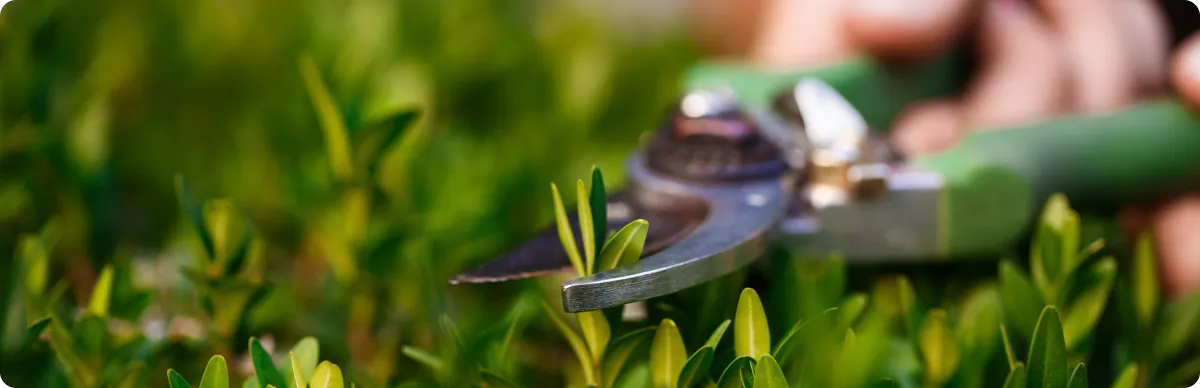
Enhanced Curb Appeal
Improved Soil Health
Weed and Pest Reduction
Thicker, Greener Grass
Increased Property Value
Customized Lawn Solutions
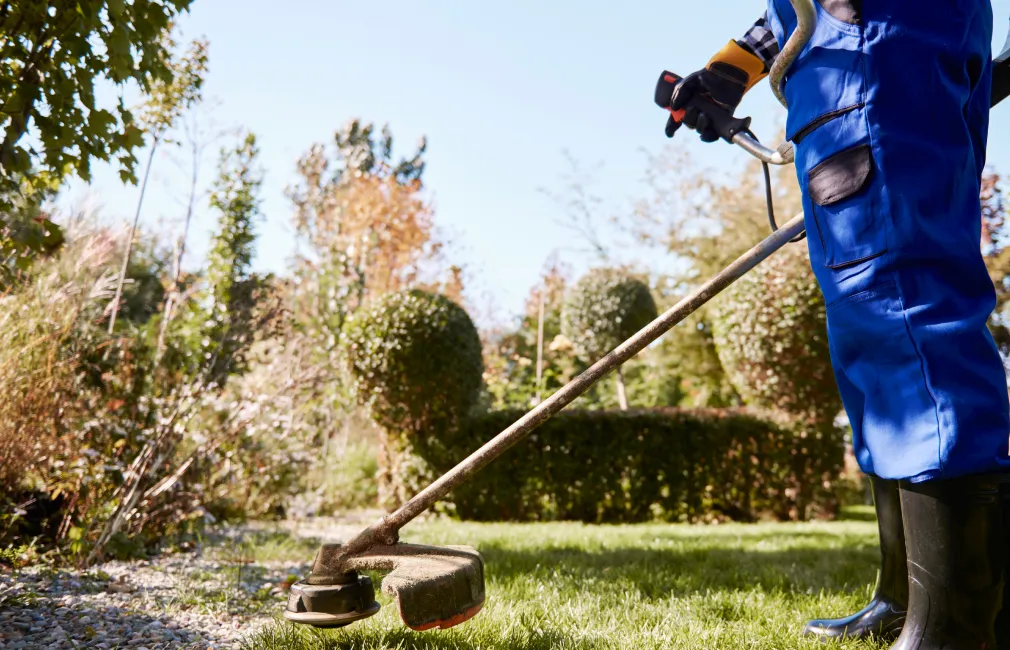
Alvin Lawn Renovation Types

Sod Installation
-
Overseeding
-
Aeration and Dethatching
-
Topdressing
-
Soil Amendment
-
Weed and Pest Control
-
Irrigation System Upgrades
Our Lawn Renovation Process
Site Evaluation
Soil Preparation
Seeding or Sodding
Watering and Fertilization
Ongoing Maintenance
Why Choose Alvin Landscape Services
-
Alvin Homeowners Trust Us
-
Expert Lawn Maintenance
-
Competitive Pricing
-
Professional Team
-
Satisfaction Guarantee
-
Personalized Service
-
Reliable Scheduling
Soil Series and Drainage Considerations for Lawn Renovation in Alvin
Alvin’s predominant soils, including Lake Charles clay and Bernard-Edna complex, present unique challenges for lawn renovation due to their high clay content, slow permeability, and tendency toward compaction. These soils typically exhibit pH values ranging from 6.0 to 7.5 and are often poorly drained, especially after heavy rainfall. For effective renovation, core aeration should reach a depth of 2-3 inches, with multiple passes recommended in compacted areas. Soil amendments such as 2-3 inches of compost tilled to a 6-inch depth can improve structure and drainage. Residents are encouraged to conduct a soil test through Texas A&M AgriLife Extension (typical cost: $15-25) to determine nutrient needs and pH adjustments. Lime application is advised for pH below 6.0, while sulfur may be used for pH above 7.5. Research local soil series using the USDA Web Soil Survey for site-specific recommendations.
Seasonal Timing and Weather Guidance for Alvin Lawn Renovation
Alvin is located in USDA Hardiness Zone 9a, with a long growing season and average last frost in early March. Optimal lawn renovation windows are mid-March to early May (soil temperature 60-70°F) and late September to early November, before the first frost. Avoid major renovation activities during June-August due to heat stress and drought risk. The National Weather Service Houston/Galveston Office provides up-to-date soil temperature and rainfall forecasts critical for scheduling. Recommended timing windows include:
- Spring seeding: March 15 – May 1
- Fall seeding: September 15 – November 1
- Fertilization: Early May and late September Monitor soil moisture to prevent compaction and ensure successful establishment.
Municipal Coordination and Debris Management for Lawn Renovation in Alvin
Proper debris management during lawn renovation is regulated by Alvin’s municipal ordinances. Yard waste collection occurs weekly on Thursdays from April through November. Accepted materials include grass clippings, leaves, and brush under 4 feet in length, placed in biodegradable bags or reusable bins (32-gallon maximum). Plastic bags and branches over 4 inches in diameter are prohibited. Residents must avoid placing debris in storm drains to comply with the city’s MS4 permit under the Clean Water Act. For questions on collection schedules or disposal procedures:
City of Alvin Street Division
1100 W. Highway 6, Alvin, TX 77511
Phone: (281) 388-4325
Official Website: City of Alvin Street Division
The department enforces collection guidelines and can provide updates on seasonal changes.
Environmental Compliance and Buffer Requirements for Alvin Lawn Projects
Lawn renovation in Alvin must comply with state and federal environmental regulations, particularly regarding stormwater management and protection of local water bodies such as Mustang Bayou. The Texas Water Code and Texas Commission on Environmental Quality (TCEQ) require a 25-foot no-disturbance buffer from wetlands and prohibit fertilizer application within 50 feet of water bodies. The city’s MS4 permit, administered under the EPA NPDES Program, prohibits yard waste and soil from entering storm drains. Key compliance steps include:
- Maintain 25-foot buffer from wetlands
- No fertilizer within 50 feet of water bodies
- Prevent runoff of soil and debris into storm drains
- Use erosion control measures on slopes For further guidance, contact:
City of Alvin Code Compliance
216 W. Sealy St., Alvin, TX 77511
Phone: (281) 388-4325
Official Website: City of Alvin Code Compliance
Equipment Operation Hours and Safety Standards for Lawn Renovation in Alvin
Alvin enforces specific noise and equipment operation ordinances to minimize disturbance during lawn renovation. Permitted hours for powered equipment are:
- Monday-Friday: 7:00 AM – 7:00 PM
- Saturday: 8:00 AM – 6:00 PM
- Sunday and holidays: Prohibited Operators must use commercial-grade 4-stroke mowers and aerators, with blade sharpening every 20-25 hours. Safety requirements include:
- Eye protection: ANSI Z87.1 safety glasses
- Hearing protection: Earmuffs or plugs for 85+ dB
- Footwear: Steel-toed boots
- Maintain 15-foot clearance from power lines For questions on safety protocols or noise ordinances:
City of Alvin Permits and Inspections
216 W. Sealy St., Alvin, TX 77511
Phone: (281) 388-4269
Official Website: City of Alvin Permits and Inspections
What Neighborhoods Do We Serve Throughout Alvin, TX?
- Forest Heights: Characterized by mature trees and heavy clay soils, this area often requires deep aeration and careful debris management due to dense canopy and slow drainage.
- Callaway Crossing: Newer development with compacted fill soils and moderate drainage; renovation projects must address soil compaction and HOA landscaping standards.
- Mustang Crossing: Proximity to Mustang Bayou necessitates strict buffer compliance and erosion control to protect sensitive waterways during renovation.
- Kendall Lakes: Features a mix of clay and sandy soils, with larger lots and open exposure; timing and irrigation management are critical for successful turf establishment.
- South Park: Older neighborhood with narrow streets and limited equipment access; projects must coordinate with city collection schedules and observe noise restrictions.
- Hampton Oaks: Located near conservation areas, requiring adherence to wetland buffer zones and careful selection of turf species for flood-prone sites.
- North Pointe Trails: Subdivision with newer infrastructure, moderate tree cover, and well-drained soils, allowing for flexible renovation timing and standard debris disposal procedures.